









The Importance of Early Childhood Education with panen178
Early childhood education is a crucial phase in a child’s development, laying the foundation for lifelong learning and personal growth. As parents and caregivers, understanding the significance of this stage is vital in nurturing well-rounded individuals. The insight and resources offered by panen178 can greatly assist in making informed decisions regarding education and care.
Understanding Child Development Stages
Child development can be segmented into several stages, each characterized by unique milestones and learning opportunities. Infants (0-12 months), toddlers (1-3 years), preschoolers (3-5 years), and early school-age children (5-7 years) experience rapid growth in cognitive, emotional, and physical abilities. Recognizing these stages allows educators and parents to tailor their approaches based on children’s specific needs.
- Infants: Focus on sensory experiences, basic motor skills, and attachment.
- Toddlers: Encourage language development, social interaction, and independence.
- Preschoolers: Emphasize imaginative play, problem-solving, and foundational academic skills.
- School-age children: Foster critical thinking, collaboration, and adaptability to formal education.
Impact of Environment on Learning
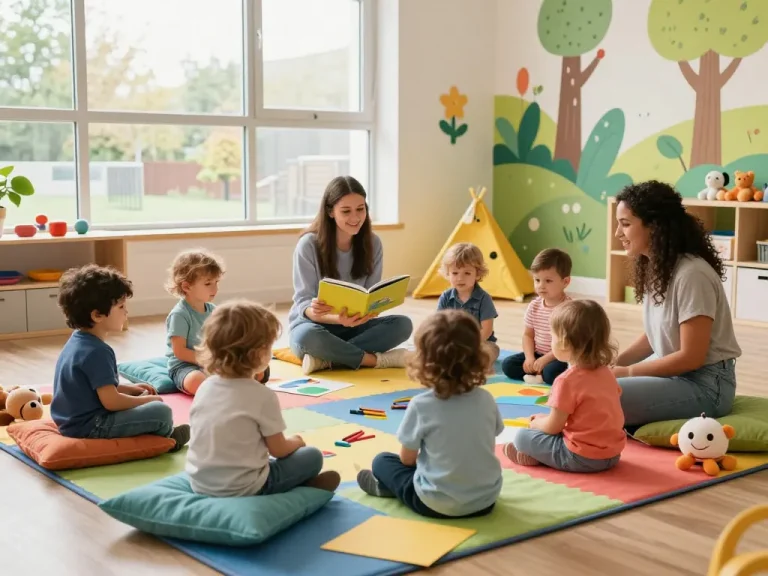
The environment in which a child learns significantly affects their development and academic success. Safe, stimulating, and nurturing spaces enable children to explore and engage with their surroundings. Factors such as classroom layout, availability of resources, and teacher support contribute to creating an optimal learning environment. Additionally, outdoor spaces and nature-based learning enhance creativity and physical development.
Benefits of Structured Play in Nurseries
Structured play is an integral component of early childhood education. It not only promotes social skills but also enhances cognitive abilities through meaningful interactions and hands-on experiences. Activities like group games, role-playing, and problem-solving tasks can promote teamwork, communication, and critical thinking among children. Moreover, such play experiences help children to process emotions and develop empathy.
Implementing Effective Nursery Curriculum Strategies
Designing an effective nursery curriculum requires a keen understanding of child development principles and educators’ roles in facilitating learning. By adopting curricula that focus on both academic and social-emotional skills, nurseries can better prepare children for future educational challenges.
Creating a Balanced Learning Environment
A balanced learning environment encompasses a mix of structured and unstructured activities. Educators should incorporate a variety of teaching methods, such as hands-on learning, direct instruction, and exploratory play, to cater to diverse learning styles. Moreover, striking a balance between individual and group activities helps children develop both independence and cooperation skills, which are essential in later schooling.
Integrating Creative Activities and STEM Learning
Incorporating creative activities alongside STEM (Science, Technology, Engineering, and Mathematics) learning can foster a holistic approach to education. Activities such as art, music, and drama stimulate imagination and innovation, while STEM projects encourage problem-solving and analytical thinking. Facilitating interdisciplinary learning not only engages children but also nurtures their ability to connect concepts across different domains.
Assessing Children’s Progress and Adapting Approaches
Regular assessment of children’s progress is essential for effective curriculum implementation. Formative assessments, such as observations and developmental checklists, provide valuable insights into children’s learning patterns and developmental milestones. Educators should use this information to adapt their teaching strategies, ensuring that all children are supported in their learning journeys.
Challenges in Early Childhood Education
While early childhood education holds immense potential, various challenges can impede its effectiveness. Addressing these challenges is crucial for fostering an environment conducive to learning.
Common Misconceptions about Nursery Education
Misconceptions surrounding nursery education, such as the belief that it is merely a form of daycare, undermine its value. Many parents may underestimate the importance of early learning and socialization, which are fundamental to children’s development. Educators must actively communicate the significance of a structured educational environment during these formative years.
Overcoming Resource Limitations
Resource limitations can hinder the quality of early childhood education. Many nurseries face challenges such as inadequate funding, insufficient materials, and insufficiently trained staff. By advocating for increased investment in early childhood education and seeking community partnerships, nurseries can enhance their resources and provide better learning experiences for children.
Coping with Diverse Learning Needs
Early childhood classrooms often comprise children with diverse learning needs, including those with developmental delays and varying cultural backgrounds. Educators should employ inclusive practices, adapting their teaching methods to accommodate different learning styles and ensuring that all children have equal access to education. Professional development and training in inclusive education strategies can empower educators to meet these diverse needs effectively.
Future Trends in Nursery Education for 2026
As we move towards 2026, various trends are expected to shape the landscape of nursery education. Understanding these trends can help educators and parents prepare for the future.
Adopting Technological Tools in the Classroom
Technology integration in early childhood education is on the rise. Interactive learning tools, educational apps, and digital resources can enhance children’s engagement and learning experiences. However, it is crucial to balance technology use with traditional play-based learning to maintain developmental appropriateness.
Focus on Emotional Intelligence and Social Skills
The importance of emotional intelligence and social skills in early childhood education is gaining recognition. Educators are increasingly integrating social-emotional learning (SEL) into curricula, helping children develop skills such as self-regulation, empathy, and cooperation. These competencies are essential for navigating social relationships and managing emotions throughout life.
Environmental Sustainability in Nursery Design
As awareness of environmental issues grows, nurseries are adopting sustainable practices in their operations and design. Incorporating green spaces, using eco-friendly materials, and teaching children about nature can instill a sense of responsibility towards the environment from a young age. This holistic approach helps develop environmentally-conscious future citizens.
Practical Tips for Parents and Educators
Parents and educators play a vital role in supporting children’s development during the early years. Here are some practical tips to enhance learning at home and in the classroom.
Engaging Home Activities to Support Learning
Parents can create enriching learning experiences at home by engaging in activities that promote curiosity and exploration. Simple activities such as reading together, conducting fun science experiments, or cooking can provide opportunities for learning and bonding. Integrating educational games into daily routines can also stimulate cognitive development.
Building a Strong Home-School Connection
Effective communication between home and school fosters a supportive learning environment. Regular updates between parents and educators regarding children’s progress and well-being are essential. Parent-teacher conferences and workshops can provide opportunities for collaboration and shared learning goals.
Resources and Support Networks for Parents
Accessing resources and support networks can empower parents in their parenting journey. Online forums, local community groups, and educational websites provide valuable information and connections with other parents and educators. Seeking professional guidance when needed can further enhance parenting strategies and children’s development.
What are the key benefits of early childhood education?
Early childhood education provides numerous benefits, including enhanced cognitive skills, improved social-emotional development, and better readiness for school. Children who attend quality early education programs often outperform their peers academically and socially in later years.
How can I effectively choose a nursery for my child?
When selecting a nursery for your child, consider factors such as the curriculum offered, teacher qualifications, facility safety, and the overall environment. Visiting potential nurseries and seeking feedback from other parents can help inform your decision.
What should I look for in a nursery curriculum?
An effective nursery curriculum should be child-centered, incorporating play-based learning, social-emotional development, and academic skills. Look for programs that prioritize individualized learning experiences and have trained staff who foster a supportive and nurturing environment.
How to support my child’s development at home?
Supporting your child’s development at home can involve creating a stimulating environment, engaging in meaningful conversations, and encouraging exploration through play. Providing opportunities for social interaction and exposing them to various experiences can enrich their learning.
What are the latest trends in early childhood education?
Current trends in early childhood education focus on technology integration, emotional intelligence development, and sustainability. These trends reflect a growing understanding of the diverse needs of children and the importance of preparing them for an ever-evolving world.