




The Evolution of Login Processes
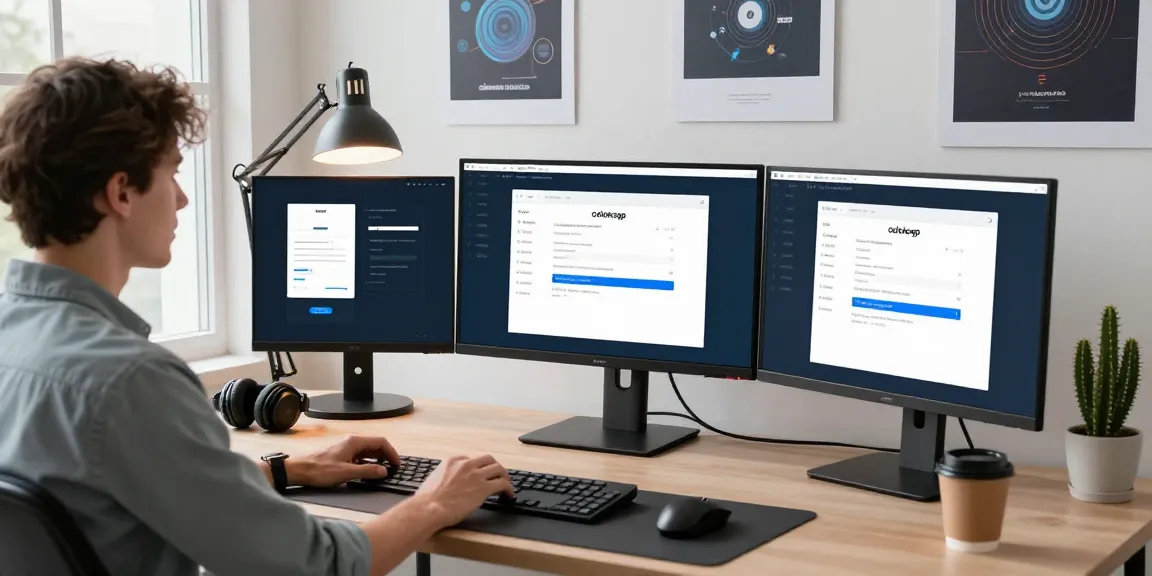
The landscape of user authentication has undergone significant changes over the years, transitioning from traditional methods to more sophisticated and secure approaches. In this digital age, login processes are essential for safeguarding personal and sensitive information across various platforms. As technology continues to evolve, so does the need for innovative solutions that enhance user experience and fortify security. Companies like coloksgp login are at the forefront of these developments, striving to provide seamless and secure access for their users. Understanding these changes is crucial for both users and organizations aiming to protect their data effectively.
Understanding Traditional vs. Modern Login Methods
Traditional login methods often rely on simple username and password combinations. While this approach has been the norm for many years, it poses significant risks, particularly as cyber threats become increasingly sophisticated. Users frequently choose weak passwords or use the same password across multiple accounts, making them vulnerable to hacking attempts. Modern login methods, on the other hand, incorporate advanced technologies such as multi-factor authentication (MFA), biometrics, and social login options. These innovations aim to enhance security while improving user experience by streamlining the login process.
The Role of Security in User Authentication
Security remains a paramount concern in user authentication as cyber attacks have become more prevalent and damaging. A compromised login system can lead to identity theft, data breaches, and significant financial loss for both companies and individuals. As a result, organizations must adopt robust security measures that go beyond basic password protection. This includes the implementation of encryption, secure socket layer (SSL) protocols, and regular security audits. The evolution of security standards, such as the General Data Protection Regulation (GDPR), has also influenced how companies approach user authentication.
How coloksgp login Innovates User Experience
Innovative platforms like coloksgp have focused on refining the user experience by simplifying the login process while maintaining security. Their user-centric design enables individuals to access their accounts seamlessly, reducing frustration often associated with traditional login systems. By integrating additional features such as single sign-on (SSO) and contextual authentication, coloksgp login enhances both convenience and security, allowing users to manage their accounts more efficiently.
Key Features of coloksgp Login
User-Friendly Interface Design
The user interface (UI) of a login system can significantly affect how users interact with it. A well-designed UI promotes ease of use and accessibility, ensuring that all users, regardless of technical expertise, can navigate the login process effortlessly. Coloksgp login prioritizes aesthetics and functionality, providing a clean and responsive design that adapts to various devices. This responsiveness is essential in today’s mobile-first world, where users expect to log in from smartphones, tablets, and desktops alike.
Two-Factor Authentication Explained
Two-factor authentication (2FA) is a crucial security feature that enhances the traditional login process. By requiring two forms of identification before granting access, 2FA acts as an additional layer of security. Users must not only enter their password but also verify their identity through a secondary method, such as a text message or authentication app. This practice significantly reduces the likelihood of unauthorized access, as it demands more than just a stolen password to breach an account.
Seamless Integration with Other Platforms
Integrating login systems with other platforms can enhance user experience and security. Many users appreciate the convenience of logging into multiple services with a single set of credentials. Coloksgp login facilitates this by allowing integration with popular platforms, enabling users to link their accounts across various services. This streamlining not only simplifies the login process but also encourages users to engage with the service more frequently.
Challenges in Digital Authentication
Common User Pitfalls with Logging In
Even with advancements in technology, users often fall into common pitfalls during the login process. Forgetting passwords and excessive password resets can lead to frustration and decreased user satisfaction. Moreover, many users still struggle with selecting secure passwords, opting for easily memorable phrases that compromise security. Educating users about the importance of secure password practices is essential in mitigating these issues and enhancing overall security.
Addressing Security Concerns
Organizations must take proactive measures to address security concerns associated with user authentication. This includes regular updates and patches to login systems, comprehensive training for users on recognizing phishing attempts, and fostering a culture of cybersecurity awareness. By prioritizing security and engaging users in the process, companies can create a more secure environment for their customers and themselves.
Misconceptions about Password Management
There are several misconceptions surrounding password management that can hinder effective security practices. One prevalent myth is that using complicated passwords means sacrificing memorability. In reality, tools such as password managers allow users to generate and store complex passwords securely, alleviating the burden of remembering numerous credentials. Educating users about these tools and their benefits can significantly enhance security across platforms.
Best Practices for Secure Logins
Creating Strong, Memorable Passwords
To improve security, users must focus on generating strong, memorable passwords. A strong password typically contains a combination of uppercase letters, lowercase letters, numbers, and symbols, making it harder for attackers to guess. Additionally, creating phrases or using password patterns can help users remember their passwords without compromising complexity. Regularly updating passwords and avoiding reuse across different platforms also contribute to enhanced security.
Utilizing Password Managers Effectively
Password managers are invaluable tools for managing credentials securely. By storing and encrypting passwords, they reduce the risk of unauthorized access while simplifying the login process. Users should select a reputable password manager that offers features such as auto-fill for web forms and multi-device synchronization. However, it’s essential to protect the master password for the password manager, as it acts as the gateway to all stored credentials.
Recognizing Phishing Attempts and Security Breaches
An essential aspect of maintaining secure logins is the ability to recognize potential phishing attempts. Users should be cautious when receiving unsolicited emails or messages requesting login information. Organizations can assist by providing training and resources that help users identify suspicious activity. Additionally, implementing monitoring tools that alert users of unusual login attempts can also enhance security and peace of mind.
Future Trends in User Authentication
Emerging Technologies Enhancing Security
The future of user authentication is poised to be significantly influenced by emerging technologies. Innovations such as artificial intelligence (AI) and machine learning can enhance security measures by analyzing user behavior and detecting anomalies. This proactive approach can help organizations respond swiftly to potential breaches and safeguard user data more effectively.
The Future of Biometric Logins
Biometric authentication is quickly becoming a popular alternative to traditional login methods as it leverages unique physical characteristics, such as fingerprints or facial recognition, to verify user identities. The adoption of biometric logins is expected to grow, with advancements in technology making it more accessible and secure. As biometrics evolve, they could become the standard for user authentication, further reducing reliance on passwords altogether.
Predictions for Login Processes by 2026
As we approach 2026, the login process is likely to become more streamlined and secure. We can anticipate a rise in the adoption of passwordless login methods, such as biometrics and hardware tokens, which offer enhanced security and user convenience. Additionally, user education will play a critical role in establishing best practices for login security. Organizations will need to adapt to these changes to remain competitive while maintaining user trust.
What is the importance of user authentication in 2026?
In 2026, user authentication will be more crucial than ever as digital interactions continue to proliferate. As individuals increasingly conduct personal and financial transactions online, the importance of secure login systems cannot be overstated. Organizations must provide robust authentication measures that protect user data while delivering a seamless experience. The evolution of authentication technology will play a key role in shaping user trust and engagement.
How can I ensure my coloksgp login is secure?
Ensuring the security of your coloksgp login requires adopting best practices such as using strong, unique passwords, enabling two-factor authentication, and being vigilant about potential phishing attempts. Maintain awareness of your login activities and regularly update your credentials to mitigate risks effectively. By implementing these strategies, you can significantly enhance the security of your online accounts.
What features should I look for in a login system?
When evaluating a login system, key features to consider include user-friendly interfaces, robust security measures like two-factor authentication, seamless integration with other platforms, and ongoing support for users. A comprehensive login system should balance security with convenience, ensuring that users can access their accounts swiftly while protecting their sensitive information.
Are there alternatives to password logins?
Yes, alternatives to traditional password logins include biometric authentication, hardware tokens, and single-sign-on options. As technology continues to advance, many organizations are exploring these alternatives to enhance user experience and security while reducing reliance on passwords.
How does two-factor authentication enhance security?
Two-factor authentication enhances security by requiring users to verify their identity through two distinct methods. This additional layer of security ensures that even if a password is compromised, unauthorized access to the account remains unlikely. By integrating multiple forms of identification, organizations can fortify their defenses against cyber threats.
What future trends should I expect in digital logins?
Future trends in digital logins will likely focus on heightened security measures, including the use of biometrics and artificial intelligence for enhanced authentication. Additionally, passwordless logins and contextual authentication methods may gain popularity, allowing for a more user-friendly experience while maintaining robust security standards.